
Blog
Pizza Delivery Zone Rules That Protect Your Margin
The four rules top pizza shops use to draw delivery zones, price delivery fees, and stop losing money on outer-edge deliveries.
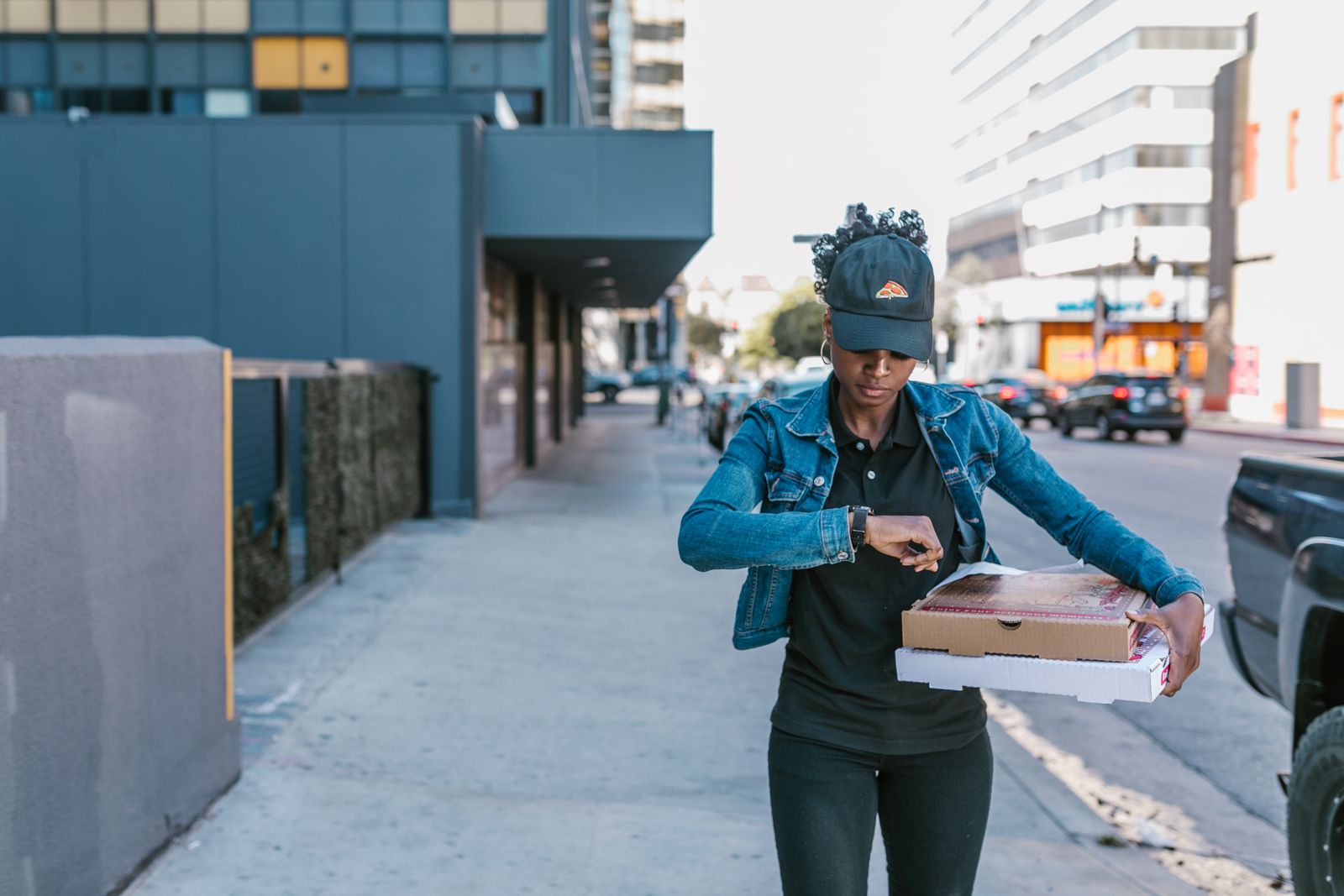
Every pizza shop we onboard has a delivery zone. Most of them cannot tell us why the zone is shaped the way it is, why the fees are priced the way they are, or which addresses are actually profitable to deliver to. The delivery zone is not a marketing tool. It is a margin protection tool. Here are the four rules the top-performing shops use.
Rule 1: Time-based, not distance-based
The wrong way to draw a zone: “5 mile radius around the shop.”
The right way: “Any address our driver can be back from in 22 minutes or less, with 3 minutes of buffer.”
Why: A 5-mile delivery to a downtown address at rush hour takes 40 minutes. A 5-mile delivery to a rural address on a Sunday takes 12 minutes. Same distance, wildly different economics.
The top shops draw their zones using drive-time isochrones (available in Google Maps, Mapbox, or Pizza Loop’s built-in tool) at 4 different times of day: weekday lunch, weekday dinner, weekend dinner, late night. Their zone is the intersection of “reachable in 22 minutes” at all four windows.
Rule 2: Every driver runs a positive margin
The math on a delivery run:
- Driver time: 22 min out + back = ~$8 in wages at $20/hr fully-loaded
- Fuel + wear: ~$2 for a 4-mile round trip
- Packaging: ~$1
- Payment processing: ~$1 on a $30 ticket
- Total cost per delivery: ~$12
If your delivery fee is $4.99 and your average delivery ticket is $28 (30% margin = $8.40 gross), you are making $8.40 + $4.99 - $12 = $1.39 per delivery. That’s before rent, insurance, marketing.
Every delivery on the outer edge of your zone that takes 30+ minutes is losing you money. Every delivery under 15 minutes is making you $4-$7. The economics live in the tail.
Rule 3: Tiered delivery pricing
The top-quartile shops use tiered fees, not flat:
- Zone A (0-2 miles, 10 min drive): $2.99 delivery fee, $15 minimum
- Zone B (2-4 miles, 15 min drive): $4.99 delivery fee, $25 minimum
- Zone C (4-5 miles, 20 min drive): $6.99 delivery fee, $35 minimum
- Outside Zone C: no delivery available
Why: A customer 5 miles out is choosing between you and 3 other shops closer to them. If they’re going to order from you anyway (loyalty, brand preference), they’ll pay the higher fee. If they won’t, you shouldn’t have delivered there anyway.
Rule 4: Peak-time zone shrinking
During Friday 6-8pm rush, the zone should be smaller than during Tuesday 8pm off-peak.
Reason: Rush-time deliveries have opportunity cost. A driver stuck in traffic on a 20-minute run to the zone edge is a driver NOT taking two 10-minute deliveries closer in. Your revenue per driver-hour drops.
Pizza Loop’s delivery module automatically shrinks the deliverable zone by 10-15 percent during peak hours based on your historical driver-time data. Off-peak, the zone expands back out to grab incremental orders.
The metric that matters
Track this every week: revenue per driver-hour.
- Under $50/hr: you are running deliveries at a loss
- $50-$80/hr: you are breakeven
- $80-$120/hr: healthy
- $120+/hr: top-quartile
If your revenue per driver-hour is below $80, the fix is almost always one of:
- Zone is too big
- Delivery fees are too low
- Minimum order is too low
- Drivers are inefficient (not running 2-3 orders per trip)
Third-party delivery is a different math
DoorDash and Uber Eats have their own zones (usually much bigger than yours should be) and their own economics. The 30% commission usually only makes sense on orders that would not have come to you otherwise — pure incremental revenue.
If a DoorDash order comes from a customer who has ordered from you 5 times before, that customer just cost you 30% instead of your normal 5-10% margin on customer acquisition. Bad math.
The fix: use your loyalty program + own website to keep your existing customers off the marketplaces. Use marketplaces for pure new-customer acquisition only.
Ready to redraw your zone?
Book a call. We’ll pull your last 90 days of delivery data and show you exactly where the profitable and unprofitable addresses are. In most shops, we can shrink the zone 15-20 percent and lift delivery margin by 6-10 percent without losing meaningful volume.